
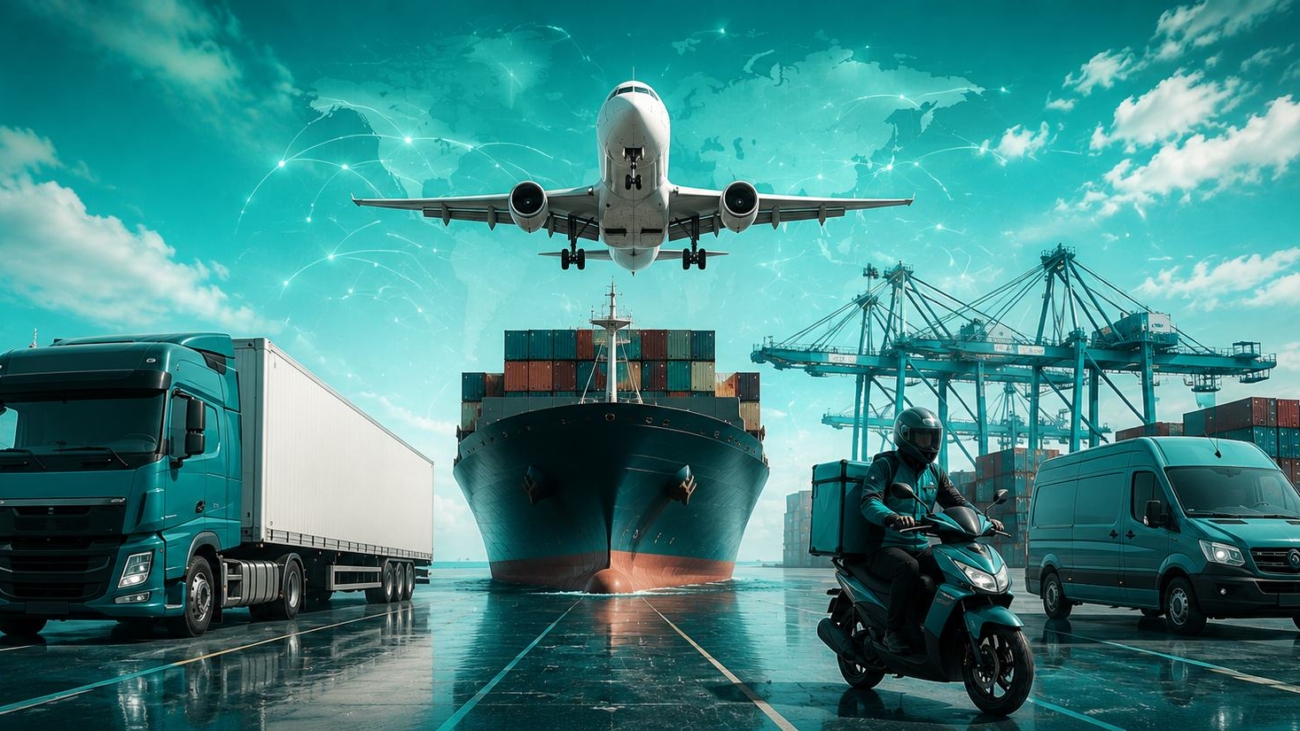
In today’s fast-paced, interconnected world, transport and logistics services play a critical role in keeping economies moving. From the delivery of raw materials to factories to the shipment of finished goods to customers, efficient logistics systems ensure that businesses operate smoothly and consumers get what they need—when they need it.
What Are Transport & Logistics Services?
Transport and logistics services refer to the planning, implementation, and management of the movement of goods, services, and information from one location to another. While “transport” focuses on the physical movement (by road, rail, air, or sea), “logistics” encompasses a broader scope, including warehousing, inventory management, order fulfillment, packaging, and distribution.
Together, they form a seamless supply chain that connects producers, suppliers, and consumers across local and global markets.
Key Components of Logistics Services
A well-functioning logistics system includes several interconnected components:
1. Transportation
This is the most visible aspect—moving goods via trucks, ships, airplanes, or trains. The choice of transport mode depends on cost, speed, distance, and the nature of the goods.
2. Warehousing
Goods often need to be stored before distribution. Modern warehouses are equipped with advanced systems for inventory tracking, temperature control, and automated handling.
3. Inventory Management
Keeping the right amount of stock at the right time is crucial. Too much inventory ties up capital, while too little can lead to lost sales.
4. Order Fulfillment
This involves processing customer orders, picking and packing products, and ensuring timely delivery.
5. Supply Chain Management
Logistics is a core part of the broader supply chain, which includes sourcing, procurement, production, and distribution.
Importance of Transport & Logistics Services
Economic Growth
Efficient logistics systems reduce the cost of doing business and improve trade efficiency, contributing significantly to national and global economies.
Customer Satisfaction
Fast and reliable delivery services enhance customer experience, which is especially important in the age of e-commerce.
Business Competitiveness
Companies with strong logistics capabilities can deliver products faster and more cost-effectively, gaining a competitive edge.
Global Trade Enablement
Logistics connects international markets, enabling businesses to expand beyond borders and access new opportunities.
Emerging Trends in the Industry
Digital Transformation
Technologies like GPS tracking, artificial intelligence, and blockchain are revolutionizing logistics operations, making them more transparent and efficient.
E-commerce Growth
The rise of online shopping has increased demand for last-mile delivery services and faster shipping options.
Sustainability
Companies are adopting eco-friendly practices such as electric vehicles, route optimization, and green packaging to reduce their environmental impact.
Automation and Robotics
Automated warehouses and drone deliveries are becoming more common, improving speed and accuracy while reducing human error.
Challenges Facing the Industry
Despite its importance, the transport and logistics sector faces several challenges:
- Infrastructure limitations in developing regions
- Rising fuel costs
- Regulatory complexities
- Security risks and cargo theft
- Supply chain disruptions (e.g., pandemics, geopolitical tensions)
The Future of Logistics
The future of transport and logistics lies in innovation and adaptability. Businesses that embrace technology, invest in infrastructure, and prioritize customer-centric solutions will thrive in this evolving landscape.
As global trade continues to expand and consumer expectations rise, transport and logistics services will remain a cornerstone of economic development and business success.
Conclusion
Transport and logistics services are more than just moving goods—they are the lifeline of modern commerce. Whether it’s a small local delivery or a complex international shipment, efficient logistics ensures that the world stays connected, businesses grow, and customers remain satisfied.