
Construction and Smart Homes

Construction and Smart Homes in Nigeria: Building the Future

Nigeria’s construction industry is evolving rapidly, driven by urban expansion, population growth, and the need for modern, efficient living spaces. Alongside this growth, smart home technology is emerging as a transformative force, redefining how buildings are designed, constructed, and experienced. Across Nigeria, the fusion of construction and smart innovation is shaping a new era of infrastructure.


The Growth of Nigeria’s Construction Sector

The construction industry in Nigeria has seen significant expansion over the past decade. Major cities like Lagos, Abuja, and Port Harcourt are witnessing a surge in residential estates, commercial complexes, and infrastructure projects.

Image
Image
Image

This growth is fueled by:

  • Increased demand for housing
  • Government infrastructure investments
  • Private sector real estate development
  • Rising middle-class population

Developers are now focusing not just on quantity, but also on quality, sustainability, and technological integration.


Emergence of Smart Homes

Smart homes are redefining residential living in Nigeria. These are houses equipped with technology that allows automation and remote control of systems such as lighting, security, temperature, and appliances.

Image
Image
Image

Key features of smart homes include:

  • Automated lighting and climate control
  • Smart security systems (CCTV, motion sensors)
  • Voice-controlled devices
  • Energy monitoring systems
  • Remote access via mobile apps

These innovations are particularly attractive to urban homeowners seeking convenience, security, and energy efficiency.

Image

Integration of Technology in Construction

Modern construction in Nigeria is increasingly incorporating technology from the ground up. Architects and engineers are designing buildings with smart systems in mind, ensuring seamless integration.

Image
Image
Image

Technologies shaping the sector include:

  • Building Information Modeling (BIM)
  • Prefabrication and modular construction
  • Energy-efficient building materials
  • IoT-enabled infrastructure

This integration not only improves construction efficiency but also reduces long-term operational costs for homeowners.


Sustainability and Energy Efficiency

With rising energy costs and environmental concerns, sustainability has become a priority in Nigeria’s construction and housing sector. Smart homes contribute significantly by optimizing energy usage.

Solar panels, inverter systems, and smart energy management tools are becoming common features in new developments. These solutions help reduce reliance on inconsistent national power supply and lower carbon footprints.

Image

Challenges Facing Adoption

Despite the progress, several challenges remain:

  • High initial cost of smart home technologies
  • Limited awareness among consumers
  • Inconsistent power supply affecting smart systems
  • Shortage of skilled professionals in smart construction

However, as technology becomes more affordable and awareness increases, these barriers are gradually diminishing.


Opportunities for the Future

The intersection of construction and smart technology presents immense opportunities in Nigeria:

  • Growth in proptech (property technology) startups
  • Job creation in tech-enabled construction
  • Expansion of luxury and middle-income smart housing
  • Increased foreign investment in real estate

Smart cities are also on the horizon, where entire communities are built with integrated technology systems for transportation, energy, and security.


Conclusion

Construction and smart home innovation in Nigeria are more than just trends—they are essential components of the country’s future development. As urbanization continues and technology advances, the demand for intelligent, efficient, and sustainable living spaces will only grow.

By embracing smart construction practices and investing in modern housing solutions, Nigeria is laying the foundation for a more connected, secure, and energy-efficient future.

Electrical Innovation in Nigeria

Electrical Innovation in Nigeria: Powering the Future of Africa

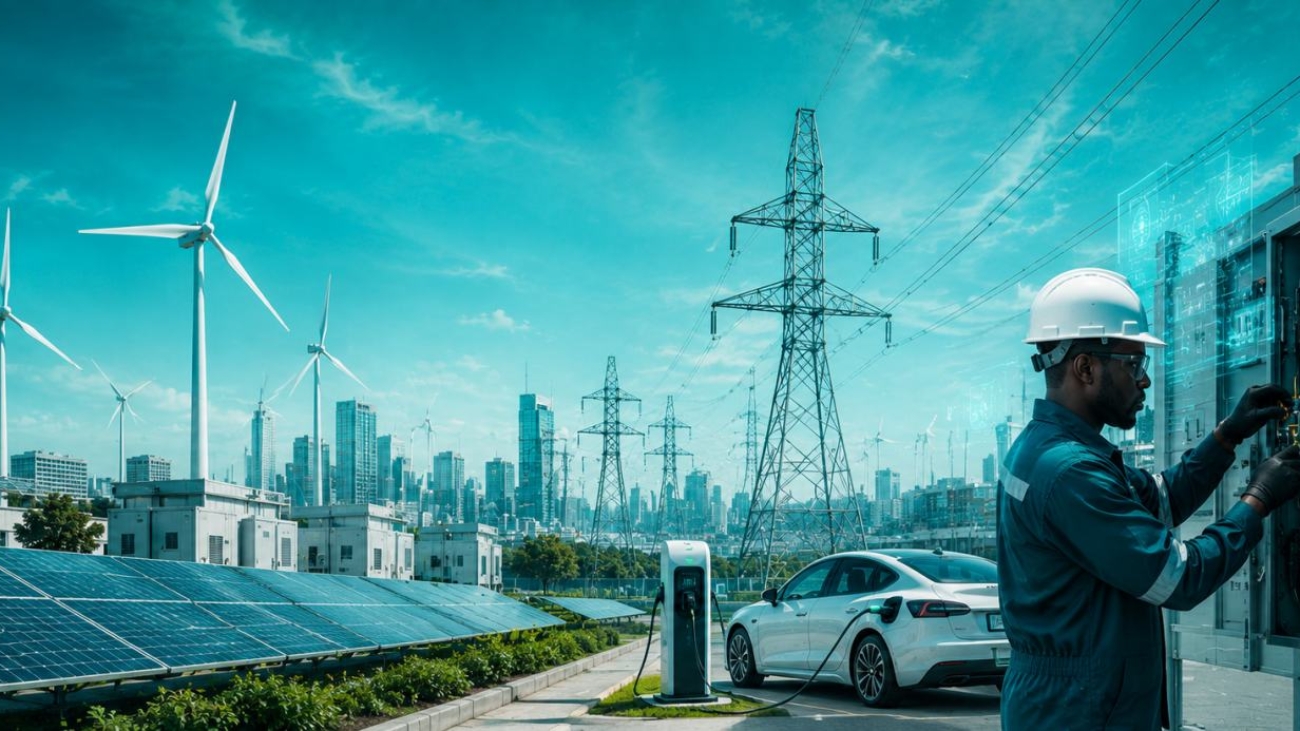
Nigeria, often referred to as the giant of Africa, is undergoing a quiet but powerful transformation in its electrical sector. With a rapidly growing population, increasing urbanization, and a thriving entrepreneurial ecosystem, the demand for reliable and sustainable electricity has never been greater. In response, electrical innovation across Nigeria is reshaping how energy is generated, distributed, and consumed.

The Power Challenge

For decades, Nigeria has struggled with inconsistent electricity supply. Frequent outages, reliance on diesel generators, and limited grid infrastructure have hindered economic growth and everyday life. However, these challenges have also created opportunities for innovation, pushing individuals, startups, and government bodies to explore alternative energy solutions.

Rise of Renewable Energy Solutions

One of the most significant developments in Nigeria’s electrical landscape is the rise of renewable energy, particularly solar power. With abundant sunlight throughout the year, solar energy has become a practical and scalable solution.

Startups and companies are deploying solar home systems, mini-grids, and solar-powered appliances to serve both urban and rural communities. These solutions are not only reducing dependence on fossil fuels but also providing electricity to off-grid areas where traditional infrastructure is lacking.

Mini-Grids and Decentralized Power

Mini-grid technology is revolutionizing electricity access in rural Nigeria. These small-scale, localized power systems operate independently or alongside the national grid. They are especially effective in remote communities, powering homes, schools, and small businesses.

By decentralizing power generation, mini-grids reduce transmission losses and improve reliability. This model is gaining traction, supported by both private investors and international development organizations.

Smart Technology and Energy Efficiency

Innovation in Nigeria’s electrical sector is not limited to power generation—it also includes smarter consumption. The introduction of smart meters, energy-efficient appliances, and digital monitoring systems is helping consumers better manage their electricity usage.

Smart grids and IoT-enabled systems are gradually being adopted, allowing for real-time tracking, fault detection, and improved energy distribution. These advancements are paving the way for a more intelligent and responsive energy ecosystem.

Government Policies and Investment

The Nigerian government has recognized the importance of electrical innovation and is implementing policies to support growth in the sector. Initiatives such as the Rural Electrification Agency (REA) programs and incentives for renewable energy investments are attracting both local and international stakeholders.

Public-private partnerships are also playing a key role in funding and scaling innovative energy projects across the country.

The Role of Startups and Entrepreneurs

Nigeria’s vibrant startup ecosystem is at the heart of its electrical innovation. Entrepreneurs are developing creative solutions to address power challenges—from pay-as-you-go solar systems to energy-as-a-service models.

These innovations are not only solving local problems but also positioning Nigeria as a leader in energy innovation across Africa.

Looking Ahead

The future of electricity in Nigeria is bright. As technology continues to evolve and investments increase, the country is moving closer to achieving reliable, affordable, and sustainable energy for all.

Electrical innovation in Nigeria is more than just a response to a problem—it is a catalyst for economic growth, improved quality of life, and environmental sustainability. With continued collaboration between government, private sector, and communities, Nigeria is well on its way to powering a stronger and more resilient future.

Nigeria is Driving Growth in Africa’s Energy Powerhouse

Nigeria is Driving Growth in Africa’s Energy Powerhouse

Nigeria stands as one of Africa’s most influential players in the global energy market, with its petroleum sector serving as a backbone of the national economy. From exploration and production to refining and distribution, petroleum services in Nigeria encompass a wide range of activities that support both domestic energy needs and international exports.

Overview of Nigeria’s Petroleum Industry

Nigeria is home to vast reserves of crude oil and natural gas, making it one of the largest producers in Africa. The industry is largely overseen by Nigerian National Petroleum Company Limited (NNPC Ltd), alongside international oil companies (IOCs) and indigenous firms.

The petroleum sector contributes significantly to government revenue, foreign exchange earnings, and employment. Over the years, reforms such as the Petroleum Industry Act (PIA) have been introduced to improve transparency, attract investment, and enhance operational efficiency.

Key Petroleum Services in Nigeria

1. Exploration and Production (Upstream Services)

Upstream services involve the search for oil and gas reserves and their extraction. These services include:

  • Geological and seismic surveys
  • Drilling operations
  • Well completion and maintenance

Major oil-producing regions include the Niger Delta, which houses most of Nigeria’s oil reserves.

2. Refining and Processing (Midstream Services)

Midstream petroleum services focus on:

  • Transportation of crude oil via pipelines and tankers
  • Storage and terminal operations
  • Refining crude oil into usable products like petrol, diesel, and kerosene

Nigeria has historically relied on imports for refined products, but recent investments such as the Dangote Refinery aim to boost local refining capacity.

3. Distribution and Marketing (Downstream Services)

Downstream services ensure petroleum products reach consumers efficiently. This includes:

  • Fuel distribution networks
  • Retail outlets (filling stations)
  • Logistics and supply chain management

Companies in this segment play a crucial role in maintaining fuel availability across the country.

4. Oilfield Services and Support

These specialized services support core operations and include:

  • Equipment supply and maintenance
  • Engineering and construction
  • Health, safety, and environmental (HSE) services
  • Logistics and transportation

Local companies are increasingly participating in this space, driven by local content policies.

Challenges Facing Petroleum Services in Nigeria

Despite its potential, the sector faces several challenges:

  • Infrastructure deficits: Aging pipelines and refineries
  • Security issues: Pipeline vandalism and oil theft
  • Regulatory uncertainties: Policy changes affecting investor confidence
  • Environmental concerns: Oil spills and gas flaring

Addressing these issues is critical for sustainable growth.

Opportunities and Future Outlook

Nigeria’s petroleum services industry is evolving, with new opportunities emerging:

  • Expansion of local refining capacity
  • Increased participation of indigenous companies
  • Adoption of digital technologies and automation
  • Growth in gas exploration as a cleaner energy alternative

The government’s focus on diversification and energy transition also opens doors for innovation within the sector.

Conclusion

Petroleum services remain a cornerstone of Nigeria’s economy, supporting everything from energy supply to national revenue. While challenges persist, ongoing reforms, infrastructure investments, and local participation are positioning the industry for a more resilient and sustainable future.

For businesses and investors, Nigeria’s petroleum sector continues to offer significant opportunities across the value chain—making it a vital space to watch in Africa’s energy landscape.

Transport & Logistics Services -The Backbone of Modern Commerce

Transport & Logistics Services: The Backbone of Modern Commerce

In today’s fast-paced, interconnected world, transport and logistics services play a critical role in keeping economies moving. From the delivery of raw materials to factories to the shipment of finished goods to customers, efficient logistics systems ensure that businesses operate smoothly and consumers get what they need—when they need it.

What Are Transport & Logistics Services?

Transport and logistics services refer to the planning, implementation, and management of the movement of goods, services, and information from one location to another. While “transport” focuses on the physical movement (by road, rail, air, or sea), “logistics” encompasses a broader scope, including warehousing, inventory management, order fulfillment, packaging, and distribution.

Together, they form a seamless supply chain that connects producers, suppliers, and consumers across local and global markets.

Key Components of Logistics Services

A well-functioning logistics system includes several interconnected components:

1. Transportation

This is the most visible aspect—moving goods via trucks, ships, airplanes, or trains. The choice of transport mode depends on cost, speed, distance, and the nature of the goods.

2. Warehousing

Goods often need to be stored before distribution. Modern warehouses are equipped with advanced systems for inventory tracking, temperature control, and automated handling.

3. Inventory Management

Keeping the right amount of stock at the right time is crucial. Too much inventory ties up capital, while too little can lead to lost sales.

4. Order Fulfillment

This involves processing customer orders, picking and packing products, and ensuring timely delivery.

5. Supply Chain Management

Logistics is a core part of the broader supply chain, which includes sourcing, procurement, production, and distribution.

Importance of Transport & Logistics Services

Economic Growth

Efficient logistics systems reduce the cost of doing business and improve trade efficiency, contributing significantly to national and global economies.

Customer Satisfaction

Fast and reliable delivery services enhance customer experience, which is especially important in the age of e-commerce.

Business Competitiveness

Companies with strong logistics capabilities can deliver products faster and more cost-effectively, gaining a competitive edge.

Global Trade Enablement

Logistics connects international markets, enabling businesses to expand beyond borders and access new opportunities.

Emerging Trends in the Industry

Digital Transformation

Technologies like GPS tracking, artificial intelligence, and blockchain are revolutionizing logistics operations, making them more transparent and efficient.

E-commerce Growth

The rise of online shopping has increased demand for last-mile delivery services and faster shipping options.

Sustainability

Companies are adopting eco-friendly practices such as electric vehicles, route optimization, and green packaging to reduce their environmental impact.

Automation and Robotics

Automated warehouses and drone deliveries are becoming more common, improving speed and accuracy while reducing human error.

Challenges Facing the Industry

Despite its importance, the transport and logistics sector faces several challenges:

  • Infrastructure limitations in developing regions
  • Rising fuel costs
  • Regulatory complexities
  • Security risks and cargo theft
  • Supply chain disruptions (e.g., pandemics, geopolitical tensions)

The Future of Logistics

The future of transport and logistics lies in innovation and adaptability. Businesses that embrace technology, invest in infrastructure, and prioritize customer-centric solutions will thrive in this evolving landscape.

As global trade continues to expand and consumer expectations rise, transport and logistics services will remain a cornerstone of economic development and business success.


Conclusion

Transport and logistics services are more than just moving goods—they are the lifeline of modern commerce. Whether it’s a small local delivery or a complex international shipment, efficient logistics ensures that the world stays connected, businesses grow, and customers remain satisfied.

Getting Started with Aluminum Roofing

Getting Started with Aluminum Roofing

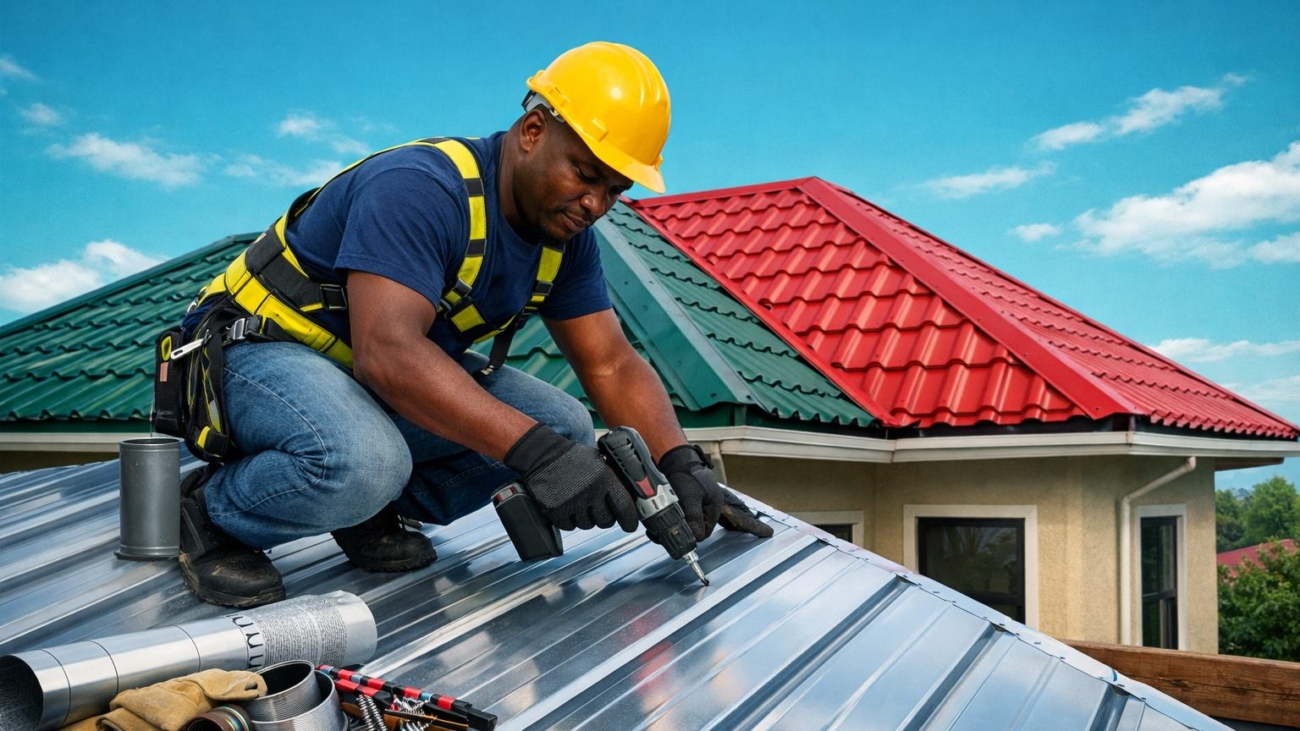
Aluminum roofing services are highly valued in Nigeria for their durability, lightweight design, and resistance to corrosion, making them a top choice for both residential and commercial buildings. In Lagos, aluminum roof installations and repairs are especially popular due to the heavy rainy seasons and the need for long-lasting protection.


🌟 Why Aluminum Roofing?

  • Durability: Aluminum roofs resist rust and corrosion, lasting decades with minimal maintenance.
  • Lightweight: Easier to install and reduces structural load compared to heavier materials like concrete tiles.
  • Energy Efficiency: Reflects sunlight, keeping homes cooler and reducing electricity costs.
  • Aesthetic Variety: Available in long-span, Metcoppo, and stone-coated designs to suit different architectural styles.

🛠️ Common Aluminum Roofing Services

  • Installation: Professional fitting ensures watertight seams and proper alignment.
  • Repairs: Fixing leaks, resealing joints, and replacing corroded fasteners.
  • Maintenance: Cleaning moss/debris, applying protective coatings, and scheduling inspections.
  • Restoration: Reviving aging roofs with modern sealing techniques and gutter guards.

📊 Comparison: Aluminum vs Other Roofing Materials

MaterialDurabilityCostMaintenanceSuitability for Lagos
Aluminum30–50 yearsModerateLowExcellent (rainy climate)
Stone-coated40–60 yearsHighLowExcellent
Asphalt shingles15–25 yearsLowModeratePoor (humid climate)
Concrete tiles50+ yearsHighModerateGood but heavy

⚠️ Risks & Challenges

  • Improper sealing can cause leaks during Lagos’ rainy season.
  • Corroded fasteners may weaken roof integrity if not replaced with stainless steel.
  • Debris buildup accelerates corrosion and mold growth.
  • Unskilled labor often leads to poor installation, so hiring certified professionals is crucial.

✅ Expert Tips for Homeowners

  • Schedule annual inspections before rainy season.
  • Invest in gutter guards to prevent debris accumulation.
  • Choose stone-coated aluminum if you want extra durability and aesthetics.
  • Always request a warranty from roofing contractors.