
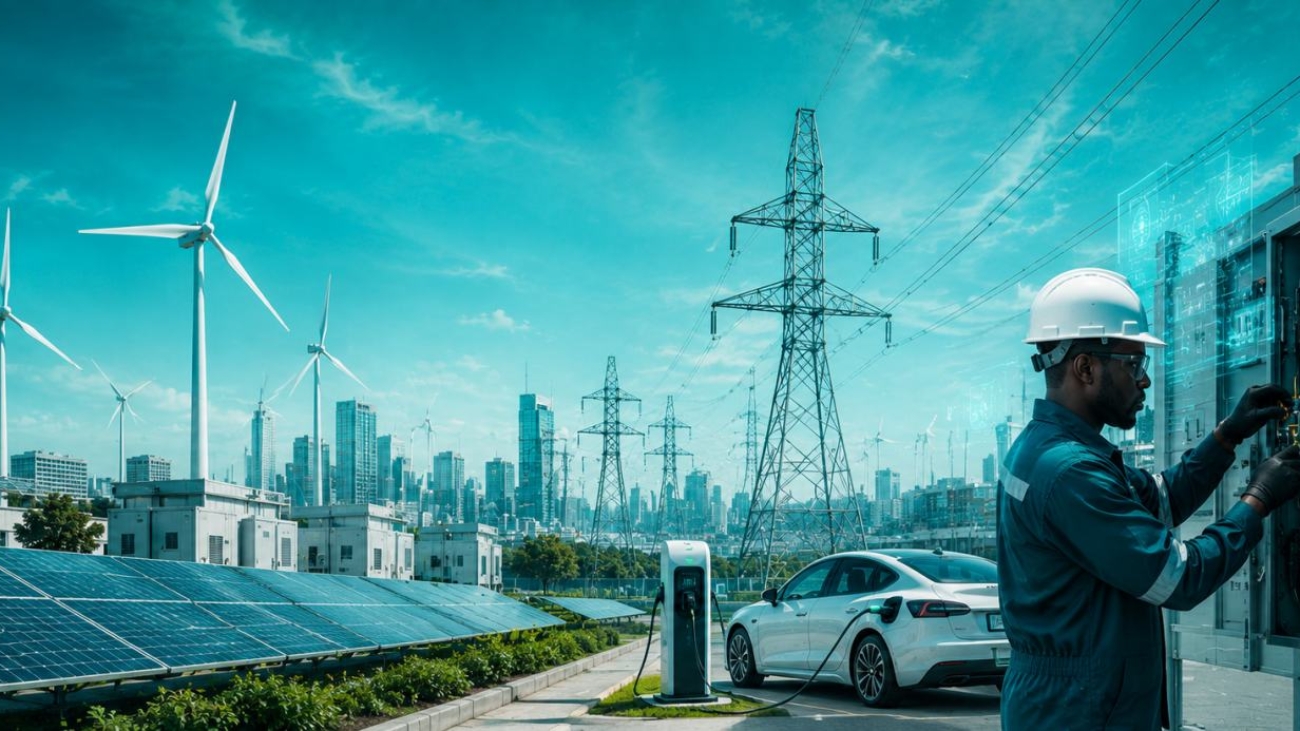
Nigeria, often referred to as the giant of Africa, is undergoing a quiet but powerful transformation in its electrical sector. With a rapidly growing population, increasing urbanization, and a thriving entrepreneurial ecosystem, the demand for reliable and sustainable electricity has never been greater. In response, electrical innovation across Nigeria is reshaping how energy is generated, distributed, and consumed.
The Power Challenge
For decades, Nigeria has struggled with inconsistent electricity supply. Frequent outages, reliance on diesel generators, and limited grid infrastructure have hindered economic growth and everyday life. However, these challenges have also created opportunities for innovation, pushing individuals, startups, and government bodies to explore alternative energy solutions.
Rise of Renewable Energy Solutions
One of the most significant developments in Nigeria’s electrical landscape is the rise of renewable energy, particularly solar power. With abundant sunlight throughout the year, solar energy has become a practical and scalable solution.
Startups and companies are deploying solar home systems, mini-grids, and solar-powered appliances to serve both urban and rural communities. These solutions are not only reducing dependence on fossil fuels but also providing electricity to off-grid areas where traditional infrastructure is lacking.
Mini-Grids and Decentralized Power
Mini-grid technology is revolutionizing electricity access in rural Nigeria. These small-scale, localized power systems operate independently or alongside the national grid. They are especially effective in remote communities, powering homes, schools, and small businesses.
By decentralizing power generation, mini-grids reduce transmission losses and improve reliability. This model is gaining traction, supported by both private investors and international development organizations.
Smart Technology and Energy Efficiency
Innovation in Nigeria’s electrical sector is not limited to power generation—it also includes smarter consumption. The introduction of smart meters, energy-efficient appliances, and digital monitoring systems is helping consumers better manage their electricity usage.
Smart grids and IoT-enabled systems are gradually being adopted, allowing for real-time tracking, fault detection, and improved energy distribution. These advancements are paving the way for a more intelligent and responsive energy ecosystem.
Government Policies and Investment
The Nigerian government has recognized the importance of electrical innovation and is implementing policies to support growth in the sector. Initiatives such as the Rural Electrification Agency (REA) programs and incentives for renewable energy investments are attracting both local and international stakeholders.
Public-private partnerships are also playing a key role in funding and scaling innovative energy projects across the country.
The Role of Startups and Entrepreneurs
Nigeria’s vibrant startup ecosystem is at the heart of its electrical innovation. Entrepreneurs are developing creative solutions to address power challenges—from pay-as-you-go solar systems to energy-as-a-service models.
These innovations are not only solving local problems but also positioning Nigeria as a leader in energy innovation across Africa.
Looking Ahead
The future of electricity in Nigeria is bright. As technology continues to evolve and investments increase, the country is moving closer to achieving reliable, affordable, and sustainable energy for all.
Electrical innovation in Nigeria is more than just a response to a problem—it is a catalyst for economic growth, improved quality of life, and environmental sustainability. With continued collaboration between government, private sector, and communities, Nigeria is well on its way to powering a stronger and more resilient future.